[00:00:04] Welcome to another episode of Tech on
[00:00:06] Hench where tech gets human powered by
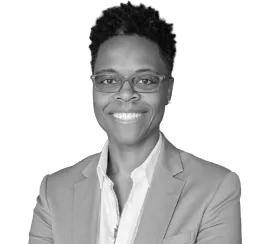
[00:00:08] code district. I’m your host Rabia
[00:00:09] Javeid and today we have a guest who has
[00:00:11] spent more than two decades in
[00:00:13] healthcare technology. First at one of
[00:00:14] Indiana’s biggest health systems and now
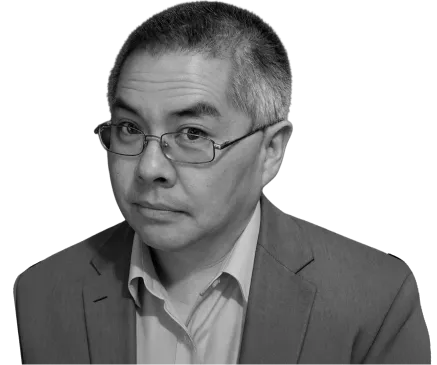
[00:00:17] as CIO of Mahaskca Health, a rural
[00:00:19] hospital in Iowa. He’s a CTO of the year
[00:00:21] honory who was building data warehouses
[00:00:23] long before AI made them urgent. Today
[00:00:26] we are talking about why AS strategies
[00:00:28] keep dying on legacy systems and how to
[00:00:30] keep yours alive. Bob, welcome to Tech
[00:00:32] Unhinged.
[00:00:33] >> Thank you. A pleasure to be here.
[00:00:34] >> Well Bob, we’ll start off with the ice
[00:00:36] breakers. You went from one of Indiana’s
[00:00:38] biggest health systems to a rural
[00:00:41] hospital in Iowa. What surprised you
[00:00:43] most about that move?
[00:00:44] >> This a excellent question. So, I have
[00:00:47] spent the majority actually I spent all
[00:00:49] of my life in Indiana. And when I moved
[00:00:52] out to Iowa, I didn’t anticipate the
[00:00:55] beauty. It’s I know it’s a Midwestern
[00:00:58] state. It’s hard for me to describe. You
[00:00:59] can put Midwest states as flyover
[00:01:01] states. You know, typically there’s
[00:01:03] laughter associated with that, but Iowa
[00:01:06] with the rolling hills, the sunshine,
[00:01:09] the greenery. I know there’s a lot of
[00:01:11] farms. It just it has this natural
[00:01:13] beauty. I have a 30 minute commute
[00:01:14] coming to work every morning and as the
[00:01:16] sun’s rising, as I see the hills and how
[00:01:19] the sun is coming out, it’s it’s very
[00:01:21] serene.
[00:01:22] >> When you picture the legacy systems that
[00:01:24] you deal with, what’s the one um that
[00:01:27] gives you the most trouble and why, you
[00:01:29] know, is it still around?
[00:01:31] >> I would say so the good news is is where
[00:01:33] I’m at today, there’s been a lot of
[00:01:35] work. I I have people that have been
[00:01:38] prior to me that have done a lot of work
[00:01:39] with the infrastructure. So when it
[00:01:41] comes to legacy systems, I would say I I
[00:01:44] tend to be an off-prem proponent and we
[00:01:47] do have a number of on-prem systems here
[00:01:50] and I don’t say I can’t say we have a
[00:01:53] lot of big issues with them but just
[00:01:55] managing them and making sure that after
[00:01:58] a fiveyear or sevenyear rotation as far
[00:02:01] as their age is concerned and replacing
[00:02:04] those systems they tend to be costly
[00:02:06] things. They tend to be things that we
[00:02:08] we definitely have to plan for and we we
[00:02:11] need to be proactive about so they don’t
[00:02:13] end up being out of service or out of
[00:02:15] warranty or end up having an issue. So I
[00:02:17] I would say the good news is is that
[00:02:19] we’re in a good place in terms of legacy
[00:02:21] systems. We don’t have ones that are
[00:02:23] really old. We’ve done a good job and
[00:02:26] since I’ve been here, we also I had a
[00:02:28] strategic plan around ensuring that we
[00:02:32] really old and we’ve taken care of those
[00:02:34] uh over the past few years I’ve been
[00:02:36] here and just prioritizing the next
[00:02:38] step. If there’s things that we can move
[00:02:40] to off-rem, we move to do that. If for
[00:02:43] logistical reasons or cost reasons we
[00:02:46] can’t, then we ensure that we have a
[00:02:48] rotation, make sure they’re inventoried,
[00:02:50] know the age, make sure that we have
[00:02:52] plans for how we’re going to keep them
[00:02:55] in service and replace.
[00:02:57] >> Well, good points. The common assumption
[00:02:59] is that legacy systems stick around
[00:03:00] because no one’s bothered to replace
[00:03:02] them ever. When an organization actually
[00:03:04] commits to a replacement, how does it
[00:03:06] play out in practice?
[00:03:08] >> Really, really good question. It’s it’s
[00:03:09] around risk. And so the what you end up
[00:03:13] wanting to do in pract is have a real
[00:03:15] good handle as to what those systems
[00:03:18] are, what those systems, how you in
[00:03:21] terms of priority. I I tend to use a
[00:03:24] risk matrix and that goes around cyber
[00:03:26] security. It goes around hardware,
[00:03:28] software is have a real good
[00:03:30] understanding as far as what those
[00:03:32] systems are, what they do, what is their
[00:03:35] age, what is the expected age as to how
[00:03:38] long they’ll last, and then what are the
[00:03:40] things that they support. Have all of
[00:03:41] that within a rate risk matrix, and then
[00:03:45] that ends up being the foundation for
[00:03:47] what your plan will be around how you’re
[00:03:50] going to manage those.
[00:03:51] >> Well, Bob, in health tech, um, you
[00:03:52] simply can’t afford to disrupt care
[00:03:54] delivery. How does that constraint
[00:03:56] reshape the conversation about
[00:03:58] modernization before AI even enters the
[00:04:01] conversation?
[00:04:02] >> Very good question and I would say that
[00:04:04] once again it comes back to a risk
[00:04:06] matrix comes back to ensuring that with
[00:04:10] the systems that you already have in
[00:04:11] place. If you’re looking to augment
[00:04:13] those or you’re looking to change those
[00:04:16] is you need to have a plan. You need to
[00:04:17] have a risk matrix. You need to have
[00:04:19] those systems inventoried and a firm
[00:04:22] understanding as far as what you have,
[00:04:24] where you’re looking to go, and how
[00:04:26] you’re going to map that path to that
[00:04:28] future. The interesting thing about AI
[00:04:30] too with healthcare is, you know, AI has
[00:04:33] all the buzz. AI is talked about it has
[00:04:36] a lot of uh potential uses and a lot of
[00:04:38] potential benefit. You have to be really
[00:04:40] really careful though about how you
[00:04:43] apply it and what type of use cases you
[00:04:45] want to apply. Especially when it comes
[00:04:47] to healthcare, human has to be in the
[00:04:48] loop. You have to have a a human
[00:04:51] validating that information at the
[00:04:53] endpoint, whether it’s a clinician, a
[00:04:54] coder, or whatever. And as you go to
[00:04:58] employ AI, you have to understand too
[00:05:01] that the data that is driving that AI,
[00:05:03] you have to have a real good firm grip
[00:05:06] on what that how that data looks. So you
[00:05:08] have to have data governance. You have
[00:05:09] real good firm understanding of of that
[00:05:11] data and the veracity. Make sure the
[00:05:12] veracity is
[00:05:13] >> No, that makes a lot of sense. So Bob
[00:05:15] Gartner says that through 2026 60% of AI
[00:05:18] projects will be bannon because the
[00:05:19] underlying data is not just ready. So
[00:05:22] when you go looking for the data a
[00:05:24] project needs and it’s just not there in
[00:05:27] any usable form, how do you surface that
[00:05:29] without killing the project on the spot?
[00:05:32] A and B once you are taking down the
[00:05:35] work to fix it, how do you show people
[00:05:37] it’s actually moving the needle?
[00:05:39] >> Well, I would say it goes back to
[00:05:40] measurement and it goes back to
[00:05:42] planning. as you are um once again you
[00:05:45] have your current state you have what
[00:05:46] the future state will be you have the
[00:05:48] unrealized benefit of what you’re
[00:05:50] looking to use um whether it’s AI or
[00:05:52] another system and you have to have a
[00:05:55] good firm understanding what is your
[00:05:56] current state what is that needle you’re
[00:05:58] looking to move have measurement
[00:06:00] philosophy and measurement methodologies
[00:06:03] around how you’re going to show benefit
[00:06:05] or detriment around that and and as you
[00:06:08] go to deploy you have to have have to
[00:06:11] have a plan you have to have everything
[00:06:13] as well mapped out as you can. You have
[00:06:15] to have your contingency plans, your
[00:06:18] mitigations for the contingencies. Long
[00:06:21] story short, it comes down to regimen,
[00:06:24] planning, testing, and measurement.
[00:06:26] >> Well, Bob, the people who’ve spent years
[00:06:28] working around legacy quirks have
[00:06:30] basically become the system themselves.
[00:06:32] When you modernize, what happens to that
[00:06:35] knowledge? No, I I would say that
[00:06:37] adaptation is going to be the key and
[00:06:40] the people that you have that are
[00:06:41] working. So that’s another thing too is
[00:06:44] it comes down to the the people that the
[00:06:46] resources that you have that are working
[00:06:48] with you. So you have to there’s a few
[00:06:51] things about legacy knowledge is you
[00:06:53] have to make sure that there’s
[00:06:55] redundancy there. You don’t want to have
[00:06:56] singular points of failure. Something
[00:06:58] that I’ve seen over the years is you’ll
[00:07:00] have that institutional knowledge and it
[00:07:02] tends to be focused on one person and if
[00:07:04] that person’s gone or missing, you end
[00:07:07] up you end up with this gap that you’re
[00:07:09] not able to support the system in a good
[00:07:10] way. So one, make sure that knowledge is
[00:07:13] transferred to other people. Make sure
[00:07:15] it’s shared with other people. And then
[00:07:17] within the team, you’re going to have to
[00:07:18] create a culture of adaptability. Things
[00:07:20] change. It I’ve been in IT for a very
[00:07:23] long time. I’ve seen it. I’ve seen
[00:07:25] servers that are millions of dollars
[00:07:27] that are gigantic that now we have the
[00:07:29] processing power in your finger would
[00:07:31] probably be be faster than those things.
[00:07:33] And with people within it, they always
[00:07:36] have to be adapt. And so the people that
[00:07:38] you have working with your team, you got
[00:07:40] to promote a culture of adaptability and
[00:07:42] and move them along. You have to work
[00:07:45] with them and make sure that they have
[00:07:46] the knowledge they need, have the skill
[00:07:48] sets they need, and the education that
[00:07:50] they need to to be present.
[00:07:52] >> Here’s an interesting one. And in health
[00:07:54] tech there’s a lot of gap between a tool
[00:07:56] being approved and a clinician actually
[00:07:59] using it at a point of the care. What
[00:08:01] does it take to earn that trust at the
[00:08:03] bedside and what happens to it the first
[00:08:06] time something goes wrong.
[00:08:08] >> So it’s this is this is really good too.
[00:08:10] A real good dynamic is a lot of this
[00:08:13] comes back to perception management is
[00:08:15] systems are going to fail and you know
[00:08:17] for better or for worse we know that to
[00:08:19] be true and at the bedside it becomes a
[00:08:21] critical and when it comes to
[00:08:23] interactions with your clinicians and
[00:08:25] physicians you have to start with trust
[00:08:27] you have and by starting with trust show
[00:08:29] that you’re listen so something that I
[00:08:32] have informatics folks that within my
[00:08:34] team and informatics is this
[00:08:36] intersection of clinical needs and IT is
[00:08:38] is essentially what that and my
[00:08:41] informatics folks are out there. They’re
[00:08:43] working at the elbow with these
[00:08:45] clinicians and physicians to understand
[00:08:47] their needs, understand their workflows,
[00:08:49] and to have a real good sense as to if
[00:08:52] we’re going to deploy technology to
[00:08:54] these folks, how do we deploy in such a
[00:08:57] way that it provides benefit to them
[00:08:59] without adding burden to them. And so a
[00:09:02] concise answer to your question is start
[00:09:04] with having a good understanding as to I
[00:09:07] like to call it the gamba, the source.
[00:09:08] So your source know know what’s
[00:09:10] important to them know those workflows
[00:09:13] understand how that technology is going
[00:09:14] to embed within those and then as you’re
[00:09:16] working always show you’re listening
[00:09:18] showing that you are taking their needs
[00:09:21] into account as you deploy the
[00:09:22] technology and then as it’s deployed
[00:09:25] make sure that you have people at their
[00:09:27] elbow that are able to help
[00:09:28] >> you know when an AI project stalls on a
[00:09:30] legacy system it won’t touch the AI side
[00:09:34] and the AI vendor won’t touch the legacy
[00:09:36] side how do you structure the contract
[00:09:38] and accountability in such cases.
[00:09:40] >> I think you might have answered my
[00:09:41] question for me.
[00:09:44] >> Hey, so you mentioned structure the
[00:09:46] contract. So I think the contract
[00:09:48] structure is very important. There are a
[00:09:50] kind of a guilty pleasure of mine as I
[00:09:52] like to recontract. I don’t know why
[00:09:54] I’ve always been like that. So you read
[00:09:56] through those you have a good
[00:09:58] understanding the SLAs’s what that line
[00:10:00] of demarcation is right. You want to you
[00:10:02] want to firm that up. You got to
[00:10:03] understand those roles responsibility.
[00:10:05] Something that I like to do for project
[00:10:07] is you want to have something called a
[00:10:09] racy. I don’t know if if that’s I think
[00:10:11] people out there have heard of that
[00:10:12] concept. Roles, accountabilities. You
[00:10:15] want to have things mapped out. So let’s
[00:10:17] say we’re going to have something new.
[00:10:18] We’re going to do a AI product. We’re
[00:10:20] going to release that product. So to
[00:10:22] your point, we got something over here.
[00:10:24] We got something over here. And it’s
[00:10:26] going to blend. These folks here, these
[00:10:28] folks here need to understand clearly
[00:10:30] what they’re responsible, accountable,
[00:10:33] and informed on. That’s where it comes
[00:10:35] down. So, as best as you can, try to
[00:10:38] clarify that within your contract
[00:10:40] itself. And once you get to that point
[00:10:42] when you have cuz it’ll be a project
[00:10:43] plan or a program or something like that
[00:10:46] when you go to deploy this within that
[00:10:48] plan itself, you have to have those
[00:10:50] accountabilities, responsibilities, all
[00:10:52] those things well spelled out so that
[00:10:54] folks know and there’s no no lack of
[00:10:57] clarity and escalation point. You need
[00:10:59] those spelled out as well. You know, on
[00:11:00] that note, you you’ve said on, you know,
[00:11:03] on your LinkedIn that in 2025, you
[00:11:05] didn’t retire an AI model, you retired
[00:11:07] an approach and set up a center of
[00:11:09] excellence instead. What made it clear
[00:11:11] the pilots weren’t really working for
[00:11:13] you and what does the center of
[00:11:15] excellence do that they never could?
[00:11:17] >> So, the issue that we had really and I I
[00:11:19] imagine that other organizations are
[00:11:21] doing the same thing. So, we are a
[00:11:23] customer right here in the middle. AI AI
[00:11:26] is everywhere.
[00:11:27] All these people are like AI AI you want
[00:11:31] AI sell to you the issue that we were
[00:11:34] having is with ounce we were kind of we
[00:11:37] we weren’t really looking at our use
[00:11:39] cases holistic is is a good way to so AI
[00:11:41] had a buzz everything sounds awesome
[00:11:44] everything sounds interesting so we had
[00:11:46] people coming to us rather than us let’s
[00:11:49] huddle together let’s brainstorm
[00:11:51] together what are the needs of our
[00:11:53] organization so that we have a cohesive
[00:11:55] centralized plan route one we want to
[00:11:58] focus on. So the approach a couple of
[00:12:00] approaches that we changed is one
[00:12:02] instead of essentially we were listening
[00:12:04] to a lot of folks pitching us on
[00:12:05] different ideas. They all sounded great
[00:12:07] but we are tied to Epic. That’s our EMR
[00:12:10] and a lot of those products are bolt-on
[00:12:12] into Epic and there are pros and cons as
[00:12:15] to that approach. And so what we had to
[00:12:17] do is okay we’re going to stop no
[00:12:19] offense for those selling but you know
[00:12:21] stop the noise for a second. Let’s
[00:12:23] regroup. Let’s internalize. Let’s talk
[00:12:25] amongst ourselves. what are the things
[00:12:26] that we want to focus and so what we
[00:12:28] decided is we’re going to focus on
[00:12:30] ambient we’re going to focus on things
[00:12:32] that are helpful to our clinicians and
[00:12:33] our physicians and that center of
[00:12:35] excellence that you’re referring to is a
[00:12:37] crossf functional group of people so I
[00:12:39] have physicians clinicians self
[00:12:42] technical people we have data scientist
[00:12:44] person in there and we are all literally
[00:12:46] talking about what is it within our
[00:12:48] organization that we want to focus on
[00:12:50] and what would be most helpful to those
[00:12:52] on the front lines or those within
[00:12:54] finance and then Then let’s do RFPs have
[00:12:57] some regimen around the approach as the
[00:12:59] people approaching us. Let’s reach out.
[00:13:01] Here’s what we’re looking at. Tell us
[00:13:03] what you can do for those specific use
[00:13:05] cases.
[00:13:05] >> No, that was that was very thorough.
[00:13:07] Bob, in your capacity, do you often
[00:13:09] happen to work with doctors themselves
[00:13:12] directly as well?
[00:13:12] >> Oh yeah, absolutely. at your side how
[00:13:16] they are interacting with AI given that
[00:13:18] now you give one snapshot to claude or
[00:13:22] chat GBT and there are all these
[00:13:24] symptoms or issues that are with a human
[00:13:26] perhaps so how are the doctors taking
[00:13:28] this revolution of AI
[00:13:30] >> oh yeah I mean that’s a real good
[00:13:32] question I would say that what is what
[00:13:34] is nice is the physicians that you know
[00:13:36] they listen I mean so people do that of
[00:13:38] course and and full disclosure I do it
[00:13:41] for myself you know I use self diagnosis
[00:13:43] you know self diagn
[00:13:45] diagnosis for yourself. What’s nice
[00:13:47] though is so when the physicians when
[00:13:49] patients approach them and they’ve
[00:13:51] they’ve done some research in a way like
[00:13:53] that’s a good thing, right? Like to have
[00:13:55] an informed consumer is always a good so
[00:13:57] you come in and you talk to me and
[00:13:59] you’re informed as a physician. I’m
[00:14:01] going to listen to you and and I can use
[00:14:03] myself as a use case because I had this
[00:14:04] happen. Our physicians here, they listen
[00:14:06] and they they say I hear what you’re
[00:14:08] saying. Now here’s some pros and cons
[00:14:10] around that approach. like they they
[00:14:11] they guide you without saying you’re
[00:14:14] wrong or anything like that. We’re going
[00:14:16] to use that AI and this is really cool.
[00:14:18] See, I’m going to go down a a rabbit
[00:14:19] hole here. That’s what’s cool about AI.
[00:14:21] AI is like an augmentation. AI is not a
[00:14:24] replace. So, knowledge augmentation. You
[00:14:26] come in, you talk to a physician that we
[00:14:28] have here. Our physicians are very
[00:14:29] approachable and they just listen you
[00:14:31] and they say, “I hear what you’re
[00:14:32] saying. Here’s some of the things that
[00:14:33] you brought up to me. Here’s some of the
[00:14:35] suggestions that I have based upon the
[00:14:37] information I provide.” That’s a great
[00:14:39] way to you know go about it. So coming
[00:14:41] back to the um you know legacy systems
[00:14:43] when we deploy implement AI it usually
[00:14:46] needs to connect to the outside world
[00:14:48] and older systems or legacy systems they
[00:14:50] fight that very thing you know going
[00:14:53] outside you know making things external
[00:14:55] perhaps. So when security flags a
[00:14:56] project is that the end of it or is
[00:14:58] there a way through it? I would say at
[00:15:01] our organization, I’ve seen it both
[00:15:02] ways, but I’ve I’ve worked at
[00:15:04] organizations where um security ends up
[00:15:06] being the bad person, right? Like no,
[00:15:09] not going to nope nope nope nope.
[00:15:12] Security is a balance. Cyber security is
[00:15:14] a balance. You can make your
[00:15:15] organization the best secured
[00:15:17] organization in the world by putting it
[00:15:19] in concrete by locking it in a box.
[00:15:21] However, that’s not useful to any and so
[00:15:24] like at our organization here and what I
[00:15:25] I promote here and actually I have an
[00:15:28] awesome syso that does this balance.
[00:15:30] Let’s strike that balance. So what are
[00:15:31] the risks? And and I keep mentioning
[00:15:33] you’re going to hear me go back to risk
[00:15:35] matrix a lot because that’s the approach
[00:15:38] that I use for everything. What are the
[00:15:39] risks associated with what we’re looking
[00:15:41] to do? So if we have a legacy system and
[00:15:43] it’s going to connect out there. Okay,
[00:15:45] let’s go through let’s just map through
[00:15:47] what all those risks are. what are the
[00:15:49] likelihood of those risks and what are
[00:15:50] the repercussions if that risk was to to
[00:15:54] happen and and have a plan around that’s
[00:15:56] that’s really it. So there’s some things
[00:15:57] we’ve already deployed here not really
[00:16:00] legacy more new um AI is actually a good
[00:16:02] example we just had a real good
[00:16:04] understanding as to what that risk
[00:16:06] matrix looks like and then have a real
[00:16:08] good plan around just mitigating those
[00:16:10] and making maximizing value by
[00:16:13] minimizing risk.
[00:16:14] >> No, I think these are you know some of
[00:16:16] the great points. So talking about now
[00:16:18] the leadership op leadership approves
[00:16:20] the AI strategy but the people who
[00:16:22] control the daily workflows are often
[00:16:24] the ones most threatened by what AI
[00:16:26] might expose about how things actually
[00:16:28] run. So how do you bring that layer
[00:16:31] along?
[00:16:31] >> Yeah. Engage them. You actually so
[00:16:33] there’s two kind of leadership
[00:16:35] approaches is there’s the top down
[00:16:37] there’s bottom up. So the bottom up
[00:16:39] strategy is instead of you know AI we’re
[00:16:42] going to bring in AI you know it’s going
[00:16:44] to impact your life. Instead of doing
[00:16:45] that, find out what that life looks
[00:16:47] like. So the workflows, whether it’s,
[00:16:49] you know, coding could be an example.
[00:16:51] I’m sure like revenue cycle can be
[00:16:53] examples of AI, AI based uh product, a
[00:16:56] clinician, ambient listening, all those
[00:16:58] things. Anyways, long story short, reach
[00:16:59] out, learn those workflows, map those
[00:17:02] workflows, even better if you can’t
[00:17:04] document that workflow. What does that
[00:17:05] look like today? What is that person
[00:17:07] doing today? How can AI be used not to
[00:17:10] replace but to benefit that? And then if
[00:17:13] if there’s something in there that it
[00:17:15] could reduce waste within that workflow,
[00:17:17] you know, let’s let’s identify that,
[00:17:18] too. So, uh, long story short, you build
[00:17:20] trust by engagement. You build trust by
[00:17:22] listening. You build trust by by
[00:17:24] reaching out and seeking to understand
[00:17:26] what that person’s doing rather than is
[00:17:28] is my my approach at least.
[00:17:30] >> Yeah, that makes a lot of sense. Bob,
[00:17:32] you know, given your 20 years of
[00:17:33] experience in this, can you talk about
[00:17:36] one of the um, you know, onground
[00:17:38] examples that you went through with the
[00:17:39] legacy system and what were the hurdles
[00:17:42] that you came across and why at that
[00:17:45] moment you thought that it is absolutely
[00:17:47] important to modernize it or you might
[00:17:50] even come across in these times with
[00:17:52] some org or health tech who is still
[00:17:55] going on with their legacy ways, you
[00:17:57] know, and not thinking about modernizing
[00:18:00] where the world is now talking about
[00:18:02] automating everything but there has to
[00:18:04] be layer to everything indeed right you
[00:18:06] modernize first and then you deploy AI
[00:18:08] perhaps so if you can for our listeners
[00:18:11] you know talk about any of those
[00:18:13] examples and how did you deal with that
[00:18:16] >> it’s you know it’s interesting is I feel
[00:18:18] like if I look back on my years position
[00:18:21] in terms of legacy systems I have so so
[00:18:23] stories like horror stories I could
[00:18:25] think of where the legacy system was was
[00:18:27] an issue thankfully are are in the past
[00:18:30] um I I mean don’t get me wrong there are
[00:18:32] some legacy systems that actually here
[00:18:34] at the organization we’re working on too
[00:18:36] and the modernization roadmap really is
[00:18:39] making sure that so we have a system
[00:18:41] that say is getting close hasn’t hit out
[00:18:44] of life yet but it’s getting close and
[00:18:46] so now we got to think okay what what’s
[00:18:47] the next step so we’re planning for that
[00:18:49] but to answer your question I would say
[00:18:50] the so you want a horror story is that
[00:18:53] that what I heard what the
[00:18:54] >> yeah I want one
[00:18:56] >> okay
[00:18:58] >> okay
[00:19:00] So, so the uh the legacy system, it was
[00:19:03] a it was an EMR. Actually, it was a
[00:19:05] building system. It was GE. This goes
[00:19:08] back probably 15 years ago. It was Vax.
[00:19:11] You know what Vax is? You want to talk
[00:19:12] about legacy?
[00:19:13] >> No.
[00:19:13] >> Okay. Old old hardware Unix like
[00:19:17] gigantic boxes that today can be can fit
[00:19:21] in your your hand as far as processing
[00:19:23] power. Anyways, long story short, it was
[00:19:25] old, it was dated, and actually
[00:19:27] volunteered to be a temporary CIO. The
[00:19:30] previous CIO left. So, I came in,
[00:19:32] volunteered. I found out about this
[00:19:34] system. It was at that time it was 10
[00:19:36] years old, and it was it was um very
[00:19:39] close. Like, cross fingers, don’t
[00:19:42] breathe on it because that thing’s going
[00:19:44] to fall apart. I ended up entering into
[00:19:46] a service contract with a third party
[00:19:48] that could help manage the support of
[00:19:50] that device because it was completely
[00:19:51] out of warranty. Everything in this
[00:19:53] thing was just old and um it went down.
[00:19:55] We one of the boxes the entire box the
[00:19:58] motherboard like you know hardware or
[00:20:00] drives you could replace even processors
[00:20:02] you can replace the entire board went
[00:20:04] down and we we were losing upwards of
[00:20:07] hund00 million a day because this thing
[00:20:09] was down because we couldn’t build. We
[00:20:10] couldn’t we couldn’t do anything. We
[00:20:12] were stuck in the water. It was long
[00:20:14] story short having that third party
[00:20:16] contract saved us. It it really did. So
[00:20:18] what they ended up doing is they found a
[00:20:20] motherboard. They ended up driving like
[00:20:22] they got a it was all manual. They got a
[00:20:24] truck and drove this thing. They found a
[00:20:26] box. They drove it back. They deployed
[00:20:29] it for us within like 48 hours. And I
[00:20:31] mean this was a needle a needle and a
[00:20:34] hay stack as far as trying to find. And
[00:20:36] I guess this story so I’m going to get
[00:20:38] back to my point of the story is no
[00:20:40] matter what it is, there’s going to be
[00:20:41] legacy systems that you’re going to have
[00:20:43] in place that maybe you’re a new CIO or
[00:20:45] or you don’t know about. it’s in a
[00:20:47] closet someplace and you find out about
[00:20:49] you’re like whoa holy moly you got to
[00:20:51] figure out very quickly what is your
[00:20:53] mitigation your risk strategy what is
[00:20:55] the risk associated what is your
[00:20:56] mitigation for that that’s essentially
[00:20:58] all I did I couldn’t replace it was
[00:21:00] going to be hundreds of millions of
[00:21:01] dollars to replace there’s no
[00:21:02] replacement path for it so I had to
[00:21:04] figure out how am I going to reduce the
[00:21:05] risk that’s all I did that’s all you can
[00:21:07] do what you can with those systems
[00:21:09] >> yeah no I mean you know you this this
[00:21:12] horror story is definitely going to land
[00:21:14] with our listeners I’m sure we got to a
[00:21:17] snippet out of this as well because I
[00:21:19] mean it’s about high time people stop
[00:21:22] hopping onto you know the shiny bolt-on
[00:21:25] AI approach start out how to do it right
[00:21:28] perhaps
[00:21:29] >> this reminds me of something else too um
[00:21:31] just something I’ve tried to model for
[00:21:33] myself and is poise so let’s say the
[00:21:36] worst thing happens like in this case it
[00:21:38] did is there’s a difference between the
[00:21:42] the leadership that’s kind of like this
[00:21:44] right during those moments um I’m sure
[00:21:46] the listeners have seen that. And then
[00:21:47] there’s the leadership of where it’s
[00:21:49] kind of like they’re steady, they’re
[00:21:50] centered, they’re just they’re focusing
[00:21:51] on what can be done, focusing on helping
[00:21:53] the team where they can. And that has
[00:21:55] this very big downstream impact um on
[00:21:58] the team. And that was something I’ll
[00:21:59] use myself as the example. I’m not
[00:22:01] saying I’m perfect through that moment.
[00:22:03] Everyone is coming at me. I had COS,
[00:22:06] CEOs, they’re like, “When is this going
[00:22:07] to be working?” And I just I stayed calm
[00:22:10] and my team was able to stay calm
[00:22:11] because of that. So we were able to
[00:22:13] weather the storm just by focus on what
[00:22:15] we can do. And we we get it. Yeah. And
[00:22:17] that’s the other thing too with
[00:22:18] technologies, you know, if you’re moving
[00:22:20] from legacy to new, you’re bringing in
[00:22:22] AI, no matter what that is, never in
[00:22:25] fact, not only not forget the human
[00:22:27] element, prioritize the human side of
[00:22:29] that is is understand, engage, build
[00:22:33] trust, get people involved like people
[00:22:35] like to be involved. So
[00:22:37] >> So you know my next question is also the
[00:22:39] extension of this. maintaining legacy
[00:22:41] systems already eats 60 to 80% of the IT
[00:22:44] budgets and now AI work lands on the
[00:22:47] same teams you know no wonder the teams
[00:22:49] which are handling those systems they’re
[00:22:51] handling um you know the AI advancements
[00:22:54] as well so how do you decide what those
[00:22:55] teams work on first and what has to wait
[00:22:58] >> yeah that’s a real good question so in
[00:23:01] our organization it gets back to I think
[00:23:03] I mentioned priorities in our center of
[00:23:05] excellence and what is it that we want
[00:23:08] to focus and so within our organization,
[00:23:10] we’ve made this decision that we’re
[00:23:13] going to be focused on. So, Epic is our
[00:23:15] EMR. Um, we’re focused on their roadmap.
[00:23:18] So, that that helps us from a pure
[00:23:20] technical perspective because now we’ve
[00:23:22] essentially outsourced what we’re going
[00:23:24] to do with AI unless we build a bring in
[00:23:26] a bolt-on. So, how I’ve approached this
[00:23:28] with my team is with AI. I’ve had
[00:23:30] conversations with them and I and I’ve
[00:23:33] said, “Hey, AI is here. It’s coming.” I
[00:23:35] do have people, you know, full
[00:23:36] transparency, I have some people that
[00:23:38] are on my team, they haven’t done too
[00:23:40] much with AI. It’s all good. I’m just
[00:23:42] I’m promoting to them that, you know,
[00:23:43] build your knowledge, understand it, do
[00:23:45] everything you can to get a good
[00:23:47] understanding of it because it’s coming.
[00:23:48] And so, I’m putting them in training,
[00:23:50] all all of those uh building that
[00:23:52] knowledge for them.
[00:23:53] >> So, you know, moving a bit uh ahead,
[00:23:54] legacy vendors are now selling AI
[00:23:56] add-ons as well. How do you tell a
[00:23:58] genuine upgrade from a tool designed to
[00:24:00] keep you dependent?
[00:24:02] >> Yeah. Wow, that’s a good that’s a good
[00:24:03] one. I would say once again it gets back
[00:24:06] to read the so read the contract
[00:24:07] language whatever you’re signing up for
[00:24:10] have a real good understanding firm
[00:24:11] understanding as to what it is what it
[00:24:13] does what is the impact to you and your
[00:24:15] organization when you go down that path
[00:24:16] that’s that’s really it and and if it’s
[00:24:18] a lock in for three years five years
[00:24:20] understand what that lock in is and
[00:24:22] understand what your your you know exit
[00:24:24] strategy is if if you need to exit from
[00:24:27] it but something else I’ll get back to
[00:24:29] is like all of these things um I
[00:24:30] mentioned planning earlier so here at
[00:24:32] the organization I I have a three-year
[00:24:34] strategic plan. I have it for
[00:24:36] infrastructure and infrastructure type
[00:24:38] things and I have it for AI based um
[00:24:41] technologies too. So what are you know
[00:24:43] the use cases? What are our focal
[00:24:44] points? Where is it the organization is
[00:24:46] looking to go? What’s that strategic
[00:24:48] plan? Make sure that technology
[00:24:50] strategic plan and AI one is folded into
[00:24:53] that. So it follows the same the same
[00:24:55] planning. So that’s my guide. So when
[00:24:57] I’m thinking strategy that’s the
[00:24:59] guidepost tactical things like deprecate
[00:25:01] or not deprecate but they uh decompose
[00:25:03] down from that that strategic plan.
[00:25:05] >> Yeah. Yeah. So now moving towards C last
[00:25:08] uh question of our conversation after
[00:25:10] two decades of building data
[00:25:11] foundations. What’s something you used
[00:25:13] to believe that you you’ve had to
[00:25:15] unlearn and what would you tell other
[00:25:18] CIOS and CTOs who are just starting to
[00:25:20] figure out that for out themselves?
[00:25:22] >> Yeah. So the biggest thing that I’ve had
[00:25:24] to unlearn is not, you know, if you have
[00:25:27] knowledge. So a technology person starts
[00:25:29] out thinking they got to be the smartest
[00:25:31] person. That’s that’s what I thought. So
[00:25:32] I started way back then. I need to be
[00:25:34] the smart guy. I need to be the person
[00:25:35] who’s always speaking up. I had to
[00:25:37] unlearn that because when you’re
[00:25:38] surrounded by I’ve been in rooms where
[00:25:40] there’s so many intelligent people and
[00:25:42] and build that culture where everyone
[00:25:45] can join in, there’s so much strength in
[00:25:47] that. That’s probably the biggest thing
[00:25:49] that I’ve had to unlearn is cultivate
[00:25:51] this whatever meeting you’re in,
[00:25:53] whatever group you’re in, cultivate this
[00:25:55] culture where everyone can join in and
[00:25:57] kind of give their two cents so we can
[00:25:59] all combine to like this real good um
[00:26:02] move forward plan. Yeah. Not be the you
[00:26:05] could be the smartest person in the
[00:26:06] room, but you don’t have to be the
[00:26:07] person always talk.
[00:26:09] >> That’s that’s what I’ve had to learn.
[00:26:10] What would your advice be to the other
[00:26:12] CIOS and CTO’s who are just you know
[00:26:15] figuring things out for themselves and
[00:26:17] starting their careers perhaps as in
[00:26:19] this role?
[00:26:20] >> I think something that served me over
[00:26:21] the years finding people I could learn.
[00:26:23] So people who are starting in this role
[00:26:25] give themselves grace. Don’t be too hard
[00:26:27] on yourself. Don’t have the imposttor
[00:26:29] syndrome. You don’t have to know
[00:26:30] everything and and show some
[00:26:32] vulnerability and learn from others that
[00:26:34] are around you and and continue that
[00:26:36] throughout your career. and and you’ll
[00:26:38] find that as a growth opportunity for
[00:26:40] yourself and as ability to uh it
[00:26:42] increases engagement with other people
[00:26:44] too. That’s that’s something that has
[00:26:45] served me well.
[00:26:46] >> Yeah. Well, Bob, thank you so much for
[00:26:48] such a grounded and honest conversation
[00:26:50] about, you know, your work and
[00:26:52] everything that you’ve said. Thank you
[00:26:53] so much.
[00:26:54] >> You’re welcome. Thank you.