00:00:05
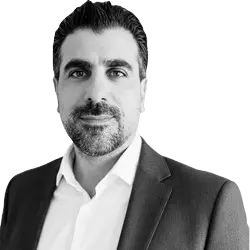
Welcome to another episode of Tech Unhinch for Tech Gets Human. I’m your host Rabia Javeen. Joining me today is David Reed, chief technology and marketing officer at Knob and founder of Redm. David’s career spans more than three decades of transforming engineering, innovation, and leadership across industries from oil rigs to renewables to social impact. In this episode, we will unpack the economics of AI, the leadership mindsets driving transformation, and what it really means to build technology that serves people,
00:00:34
not just the profits. Welcome to the show, David. >> Thanks, Rabia. It’s good to be here. >> Well, David, we’ll start off with a bit of an ice breaker. You’ve gone from building products to building brands. When you hear Tech Unhinged, what’s your first wild idea you got that everyone thought was crazy until it really works out? I think all of my ideas were that way. So, what was the first one? Um, I think the first big deal that impacted the company because there was it was
00:00:59
happening all the time. I didn’t know that was how I was wired at first. So, I had really good bosses who saw that in me. But the the first kind of push towards something was probably in the late ‘9s. I would imagine the the Y2K moment helped. But but I was definitely that we need to go faster, deeper into computing systems and they need to connect everything that we do. Um that was crazy talk at that time. We didn’t really have IoT at all. Um in fact our one of our presidents I I kind of cuz I
00:01:30
started to push towards fully integrated fully designed systems so that we could rapid automate but it was that’s that was 20 years before the day that was natural and we had all the tech and the systems to do that well. So yeah, that was that was uh that was out there. That was one of many out there things that led to other other things that made no sense to people which you know integration of systems was always the the part that people couldn’t fully get because they couldn’t imagine why.
00:01:58
>> Today for our audience since you’ve been in two boats of tech and marketing which would you weigh more in your career? Is it more along the tech side or is it more along the marketing side? my titles were more along the marketing side and my work was more on the tech side. And so when they finally said, you know, we’d like to give you the CTO role, I was like, finally like, yes, thank you. And they’re like, do you want to give up the other one? No, no, I don’t. They’re
00:02:25
they’re I love them both. That’s who I am. So So I was very good on the and I wouldn’t say marketing traditional. It’s it was more business thinking and and structure and strategy for the company, but I was deep. I was very geeky early on um technology. We were in the probably starting about 95 was starting to design and develop massive robots that were you know 140 foot tall robots. It was just a dream of the CEOs at the time. So I started designing and becoming an expert in that design and
00:02:53
that led to a lot of change and a lot of immediate connection into the industry because people needed this thing but didn’t understand it. So I had to run around the world every time someone wanted to build or design something. So yeah, very very geeky and I I learned over my career to not let people know how much I know otherwise I would have this job forever. There’s people way back then when we started at the same place and then I moved up and they’re like I get questions technical questions
00:03:18
and I send them to these people and they go well you could have answered that and I said I could have but I don’t want to and I don’t want them to know that I know it doesn’t help me because that would be my job forever you know. So >> yeah, absolutely. But also David, while going through your bio and you know the kind of work that you do, um you often say that you live in an inventing world in your head. So what does that actually look like for you? Are you sketching, tinkering, or testing ideas before they
00:03:44
ever leave that space? What’s the creative process like? >> That’s a good question. I I actually did sketch a lot for years. Like I was solving a lot of problems. it. When you’re wired like this, it you don’t value it at all. You don’t even get excited about it. It’s not it’s a weird thing because everyone else is dreaming of the what if I invented something and they they get really attached to and love the idea and then they fall in love with their ideas. Um whereas when your
00:04:10
brain is constantly solving things, coming up with ideas, it’s quite cheap to you, which is really nobody’s nobody can believe that because they it’s what they aspire to. But it’s a very busy brain. And so sorting it out is the problem because what what you learn I’ve done sessions where they’ll say, “Okay, we’re going to brainstorm. We’re going to put up different parts of the operation. I’d like you to write ideas.” Um I can be there for 3 4 hours. Most
00:04:33
people are done in half an hour. And I it doesn’t stop, right? So it doesn’t stop the and and eventually and I I was originally an architect and I I I always thought gosh, seeing it built that would be the thing that I would love. And I didn’t. I was like, I don’t know why that’s not satisfying. But you have to kind of work out how you’re wired and what makes you happy. And um we used to I had this thing where people would come to me for brand new ideas. Can you give me 10 new ideas? And we would we would
00:04:57
use them to run courses. I had a guy this guy was developing some kind of think tank up in Canada. And he said he said I hear you do ideas. And I’m like yeah I do. What do you want? He 10 ideas in this space. So, I just gave him 10 ideas, but it made his program blow up because they were great ideas to to dig up on, just things we hadn’t quite solved yet. Um, so yeah, it’s a weird it’s a weird thing. So, I I I went through quite a journey not worrying ideas aren’t they aren’t worth anything
00:05:25
unless they have a value. So, you you really have to filter that out and work out, well, when do I really want to apply this? It doesn’t help to be in a group of people and constantly throw ideas out. It’s actually confusing and messy. Um, and I have books and books of sketches. So, most of the new things that come up in our company, I have a sketch of it somewhere. But it’s not important to tell someone that we had this idea. Um, because I learned along the way that when someone loves
00:05:48
something and they’re growing it, like you just just let it go. Like, let them let them own it. It’s not important that you’ve thought of it or someone else thought of it or kills the life of it. So, so I I actually moved from when I I flew most of my career all over the world, so good 30 plus years. Um, and I would sit on planes and sketch ideas. And I changed that to sketching to drawing people. Um, which was much better for me and healthy and uh because it didn’t matter that I had tons of
00:06:14
ideas. So I I kind of devalued that and had to go when it’s needed, it’s a good thing. But getting other people to generate ideas and and creating environments where ideas are business ready. That’s kind of cool. So I like that. I like watching success is much better than ideas. >> Yeah. Yeah. That’s more of the manifestation of you know the ideas that um work out the best. >> Yeah. Yeah. And it’s not it’s not easy you know it’s to to find good ideas that
00:06:44
can be a business that oh that’s really hard ideas can have a million of them but doesn’t matter unless can actually become something. So that that process of ideation to product to success you know to adoption in a way that you know delivers returns is uh it’s pretty cool. But you know um listening to this makes me all the more excited before we dive into you know the main jarens of the subject today that we have that it’s not going to only going to be someone from the tech perspective talking on these
00:07:15
things but also an artist or someone you know who who creates and then who sees how those things come into function. So um David when you when you talk about you know how AI has become the default answer for efficiency but efficiency does not always mean profit. Can you think of a moment where AI saved time but ended up killing value? >> Well killing I mean I think AI in its sense is killing value. So it’s it it it changes your thought process. It’s really important because people are
00:07:45
getting excited now but they forget we’re at the very beginning. Um, and everything that you produce that’s a good idea in AI has absolutely no value. That doesn’t make sense to people. They’re they’re like, “Hold on, no, it is. The stock market loves it. We’re just say I say AI and people give us money, you know, like people are excited because they have no clue what it really means.” So, yeah, lots lots of times lots of times it I think it by its nature it destroys value. I think when I
00:08:10
years back we avoided going towards a service business for this reason. We deliver services to service businesses, equipment. But everyone was like, “We should become them. We should that’s what we should do.” I’m like, “No, because they’re going away because their main thing is human skill. It’s human brain power and that’s going to be worth nothing in the future, you know. So, it’s a really not that all human brain power is going to be worth nothing, but
00:08:33
the the ability to compute, the ability to execute, that’s going to become a labor job, you know. It’s going to become something that’s not um highly valued. And I don’t think that it’s a I’m not doomsday about any of this. I think it’s really great, but it’s just changing. So, you have to kind of play to do you want to be in a business where you’re hiring lots and lots of people because of their their knowledge because knowledge is the, you know, it’s the
00:08:57
it’s what’s going to come from AI. But, but understanding AI is really important. It’s like it doesn’t solve all problems at all. It just changes our world. It’s it’s the new calculator, you know? It’s gonna it’s going to make things change and you what you’re learning and why you’re learning and how you use it’s going to be different going forward. But um different doesn’t mean bad necessarily, but it does for some because I I love creative destruction
00:09:18
because I love to look at history and how things have changed. And uh the human ability to disregard change as it’s coming is amazing or to even imply you know the wrong things towards it or so. Yeah, I think AI is a very destructive force and it will be an opportunity force as well. >> Yeah. I know that makes absolute sense because you know as we say here as well that change is the only constant and you cannot just stand in the middle of it because if you’re not changing or keeping up with those changes then you
00:09:48
know the problem is probably you. We see that how most leaders see AI as a cost problem or a labor problem but you’ve often reframed it as a design problem. Can you unpack what that means? I think people apply software let’s say let’s talk general software they apply it to human problems thinking it’s going to solve it and and it doesn’t you know it’s the the whole understanding this is part of my architecture background a bit but the whole system thinking of you know all the different components and
00:10:14
and where things go and what they what they are you know how you build how even your interaction with AI is so important right now understanding what you’re talking to what you’re working with its strengths and its weaknesses um these are all design things because the the Um, what AI doesn’t solve is is it it is a big soup. You know, I like to think of it that way. Like, it’s got access to lots of stuff and whatever is in the soup is really important for the way it tastes and what it can do, but it’s
00:10:40
still a soup. Like, it’s not going to create something different than itself, you know, and so people are forgetting as they’re going now and saying, “Hey, I’m going to apply AI to this and it’s going to design this thing for me.” It also would do that for someone else, you know. It’s it doesn’t whatever it produces is valueless. So you have to kind of it’s a really new way of thinking to understand that that the learning how the human brain is is still wildly necessary and and can’t be
00:11:06
replicated. There are aspects that are really really important and and how you use AI, where you use AI. Um it’s the the cost I I I do think like efficiency and cost are byproducts. They’re not the reason. And so how you adopt and adapt is you you get people to start owning the journey. If you just deliver product from AI, you’re doing the wrong thing. You’re thinking in old thinking. Um, here’s a thing that AI is doing for you. Please use it. They’re not going to do that. But if you say, “I want you to
00:11:36
learn how to interact. Let me teach you how this works. Let me teach you how you can interact with it. What can you do?” And that’s that’s what we’ve done across the company. We put everyone into kind of an open AI system and said, “Here’s your basic training. What can you do?” You know, which is, if you ask the software companies, they go, “That’s terrible. We’re making a system that’s structured so that we can manage all of your things so there’s no no chaos and
00:11:56
no growth. But freedom is always where growth comes from. You know, bureaucracy starts to slow down growth and then, you know, command and control world kills it. You know, so the the it’s just the it’s the cycle of things. And so, so freedom right now is so important because letting people learn the tools, use the tools, and deliver the value is very different than here’s a tool that may take your job, which is what it sounds like to an employee. Uh, as opposed to I want you to interact with
00:12:22
this and and get the value out of it because there’s so much you learn because it’s like being given a child that grows really, really fast. Um, and everything in us doesn’t think that way. So, you know, if a lot of people think, well, it didn’t do what I want. I’m done. It’s like, well, it’s a baby. of course it didn’t do but tomorrow it’s it’s a teenager you know and then the next day you know it’s 30 years old and so you’re you’re just not used to that
00:12:44
level of development but you do have to feed it you know you have to give it what you need and so the interaction with humans and developing better systems is is is pretty important right now if >> we look at the numbers David there’s this idea that AI is a profit paradox that’s creating massive value for chip makers or cloud players you know who are thriving by many applications s are still struggling to survive in the tech landscape. Do you see this? Yeah. Are these do you kind of see this as early
00:13:12
turbulence while the market finds its footing or are we heading towards a world where the only the biggest players at the base are, you know, going to make profits out of it? >> No, I think the biggest players are going away. I think they’re panicked and I I think inside their closed rooms, they know that the thing they sell is about to be worth nothing. So we’re it’s really I I won’t let anyone write do long contracts with anybody in this space because and I’m encouraging small
00:13:39
players to come along and and disrupt because the if you look at creative disruption it’s going to find the big costs. Someone’s making a lot of money here and uh and generally this is the history of creative destruction. If the people can rise up and do something they get to topple the big wealthy ones. So if you look at Europe after the black plague, Eastern Europe, they they said to all the the less workers, lots of people had died. They said to them, “Listen, there’s less of you. You’re
00:14:05
going to have to take less money.” And in the UK, a weird thing happened where the people said, “Hey, there’s less of us. You’re going to have to pay us more.” And it began this journey that led to, you know, patent rights, land rights, and it was this uprising of people that became, you know, the industrial revolution. and and the people who had money, didn’t lose as much, but they definitely gave up a lot. That’s what’s coming to the big companies. Here’s a thing here. These
00:14:28
are companies who use people to consult or they use software writers to write code and but that’s the core cost in their system. All of those things are going to AI and my data scientists don’t write code. They use AI to work in codes they don’t even know. And then they test it with AI. And once I saw that, I was it was like, oh, here we go. This is what’s happening. And I in fact asked my head of data science. I’m like, you know, you’re coding your job away. And he’s like, yeah, yeah, we are. He said,
00:14:53
in fact, we’re not coding, just so you know. Someone says they’re coding nowadays, then they’re they’re they’re lying or they’re about to lose their job because the speed that we’re going has changed. And what we’re doing is learning how to manage AI as we’re we’re learning because it does it is imperfect. And so you have to constantly be reguing the child, you know, to to have it grow healthily and well. So yeah, it’s uh I I just love this creative destruction. So big companies,
00:15:17
they need new values. And what they’re doing is it’s crazy. The software companies are increasing. So the the Microsoft invention, which was I’m going to trap you in a compound and then I’m going to make you pay to be there. Then I’m going to charge you more and more and more and more. I’m way past my value case, but you can’t get out of the compound. So you want to eat, you have to come to me. So that’s the model of these big companies. So I’m I’m excited
00:15:41
for the young companies that are going to come and start eating away from the edges and destroy that. I mean like ERP systems. I was sitting with a large I won’t say who large company on a stage and they were showing how AI had designed this car for them. Well, they’re a software company. I laughed and was like, well, why aren’t you designing an ERP that doesn’t need the cost anymore? Well, of course, that’s how you make your money. So, you’re showing us a car over here so that you
00:16:04
keep keep being hired by us to do something we don’t understand. But but surely that’s the place. That’s where the cost pain is, where you’re making money hand over fist because we can’t afford to get out of uh your system. So, I’m I’m I’m excited for this rapid movement and and the place that the creative destruction goes after is where the big money is and there’s massive profits in that space and they think they’re too big to to fail, but I think inside themselves, they know that that
00:16:30
they’re they’re a very very high threat here because that’s the cost pain. >> Yeah. Know that makes a lot of sense, David. And I I loved how you used the analogy of a child for AI and then how you know professionals are now most of their mainly their job is to manage that rather than doing their job. It made a lot of sense. >> So if we if we um you know look um at things from a bit of a strategic layer um we I’ve seen that you’ve worked with um in a trillion dollar industry where
00:16:57
risk is very real. When you evaluate new tech, what’s your personal rule of thumb for deciding if something is a strategically or just another shiny object? >> Well, we what we don’t do is we’re not really in science. We’re not we’re not in the research world. So, we don’t do that. Some people do. And so, we do understand who we are and where we fit because if we do science, we can’t um the people who further science are bringing things to us on on a journey
00:17:24
that when it’s ready, it’s ready. Um, but other industries will adopt that before we will. So, for us, it’s really I what I like the most is when some because some people would say, well, you you study the market and you find out where the needs are. The best products always had no market information and the best products people didn’t know they needed, right? And so that’s same for us. The best things nobody was asking for, but but if you can understand pain, a group of really great inventors and
00:17:50
put them in a room, we were looking at renewables and growth in that space. Big growth market, no one’s making money. I don’t know if they tell you that, but they all don’t make money. They go out of business constantly. They’re constantly getting funded from well well-meaning people. They’re collapsing, you know. So, I I got some creative engineers and just said, “Okay, take anything in renewables and half the cost. Invent” and off they went inventing. And we found different
00:18:11
things. Some looked like really breakthrough. Um, but then when you looked at it, there’s like a market barrier. So, you want to fail fast, but you also don’t want to be like a startup. A startup has an idea, gets investment. Now, we’re married to the idea. What I wanted to do was have them break things all the time. Keep breaking things in renewables. Go try something. Doesn’t work. Push it over. Try something else. Push it over. So, you know, hundred ideas. Um, we got two really good ones. And um, they were just
00:18:36
obvious things that that people weren’t looking at. When you look at the cost of wind farm installation on land, what’s the biggest cost? I don’t know. What is it? The answer is cranes. Why? Well, because it’s windy. Oh, so they rent expensive cranes and wait for there to be less wind in a place that you are because of the wind. It’s so we designed a crane that can work in high winds. Nobody had done that. They were just using existing cranes and it was simple design to say how do we get in high
00:19:04
winds and work all through the year worth a lot of money. So it you know so you have to understand problems that someone asked me yesterday that had a spider robot and they said look at the spider robot instead of the dog robot right here’s a spider robot. I was like, “They can climb up walls.” And I was like, “Great.” And he said, he said, “Do you have a problem that this could solve?” And I was like, “Please don’t come to anyone and ask them that if you
00:19:24
didn’t have an idea why you were designing it. Like, don’t design it. I We have one of our startups I work with just was really mad that um they were trying to do a free uh uh proof of concept for us.” And I have to be careful. I don’t want to say who it is, but they but they uh they found a part of our business who said, “No, it’s too expensive.” And then they found another part said, “Yeah, we we’ll give you a free um proof of concept.” And I said,
00:19:48
“You probably should ask these people just so that there’s no confusion.” So they went back and said, “Hey, we’re going to be talking to this country about doing this.” And he said, “Did you tell them how much you’re going to rent it for?” And he said, he was really mad like, “Oh, this is politics.” And I’m like, “No, that’s a really important question. Does is there a willingness to pay the money that you want to make? If there isn’t, don’t do a free proof of
00:20:06
concept. Your model’s not going to work.” You know, so people get lost in that. So yeah, I’m all about the business side and you take risks, you spend a lot of money. I mean R&D is betting and risking, but you need enough intelligence behind it. Um, a lot of these companies are like uh they’re like kids who, you know, these investors are building extensions to their parents house so that they can still stay at home, you know, so they build these great incubator labs so that companies
00:20:33
don’t die. It’s like, well, maybe they should, you know, maybe if they had a great idea, someone would would invest and pull, but now you’re letting them live longer. So the venture capitalist can sell it to someone and then it collapses, you know. So it’s a that that business side that that basic sense of I can turn this quickly into value and if I can’t I need something that will give me value to keep me alive. So that’s the shiny objects are are absolutely they’re
00:20:57
fun. I love listening to every pitch. Like I enjoy it and but I’m quickly into like because if you’re not trying to kill your idea, you’re not you’re not in the game at all. And also in one of your podcasts you mentioned you know how machines talk back um through data vibration and feedback loops if we actually learn to listen to them. So how does that mindset translate to how you now guide AI systems that are starting to make their own calls at this point? >> Yeah I mean and that is I mean you know
00:21:25
AI we throw it around but but we’ve been doing AI for 20 years with my team. I mean it’s and that is listening to machines right. So it’s listening to sometimes actually listening to the machine sometimes listening to to signals AI it doesn’t even because that’s such base AI or ML really machine learning is what you’re doing in most of that cases I think the application of AI is is usually beyond that it’s it’s usually in the space of I hadn’t thought of this and that’s where people need to
00:21:51
get the tools as quickly as possible because it’s there’s so much invention that can happen there’s there’s simple things that you’re going to do much do much faster but listening to machines the machines should self-heal, right? So, there’s there is a I’m dealing with a problem with another large software company out of Silicon Valley who they’re looking at completely autonomous systems. What I’m loving is the arrival of humanoid robots or maybe it’s this
00:22:15
spider robot, I don’t know, but but looking at um one of the problems you have in automation is you have to redesign systems so they can be automated. And uh that’s that’s had us go down really bad roads before we end up with expensive things that can’t be put into the market. you’re trying to automate something, you can be out of business really fast because a human’s going to do it cheaper. So, it’s a great problem to have. But when you start having humanoids, it gets really
00:22:37
interesting. So, can you get cheaper robots to do um more stuff or do what humans are doing. So, don’t redesign the machines, just have them still, you know, creating humanoid systems is really, it’s an interesting space for me. I’m really excited to if you say I want no one, you know, because we I’ve been running a rig with industrial robots. In 1997, I designed this system idea. Back to the sketches. We actually made drawings of it. And here we are, you know, four or five years ago, we’re
00:23:04
actually doing it. And in the interim, we were designing custom robots and just buying industrial mining robots was the answer. And having them do what humans do, whereas we were like, if you designed a dishwasher, you wouldn’t design a robot to, you know, wash plates. You make a washing machine, right? So dishwashing machine. So that that that idea that you got to change the process, we got enamored with it. And um we were creating additional value, but it is much cheaper to buy simple robots and repeat the human work.
00:23:32
And that’s what we ended up doing. And it’s a it’s a fascinating journey because we’ve been able once you see proper robots working that are designed for that kind of wear and tear. Uh you immediately realize we don’t have to be here anymore. We’re just watching something boring. It does the same thing all the time. So it’s really it’s an interesting journey. I think I think working out, you know, the right balance of when to do what, but willingness to pay is probably the number one thing
00:23:56
that really matters in any design. Does someone like it? Yes. How much would you pay? That that value equation is really important. >> Yeah. No, absolutely. And um there was another fascinating thing that I found out and I had to double check it that you’ve led teams across 70 plus countries. >> Yeah, that’s a huge number. So what’s the hardest part of helping people trust technology without feeling like they’re giving up ownership of their work? >> Autonomy. You need to allow people the
00:24:26
the idea of corporations is an antihuman idea. The way I think of that is there you don’t find corporate babies. You never meet someone’s kid and go it’s very corporate. It’s not a it’s an anti-human behavior. So human systems are really important. So we always apply our minds to non-industrialized bureaucratic-like heavy systems. you have to allow independence and so at the same time bad things can happen when you let people do what they want to do. So it’s a really weird balance but so the
00:24:53
answer is really work on good people to lead and let them express themselves you know let them be different. Um there is in if you when you travel different cultures and you see companies say this is our company culture. Well it’s not possible because no country has the same culture. You’re saying one company across lots of countries probably not. But base values yeah you can have you can have the same base values and we do. We we measure across every single country and place and it’s it’s weird
00:25:23
once people start traveling and seeing our company they go but everyone’s like us. So there is a culture thing but we didn’t tell them that’s their culture. We just continue to allow small company thinking because that’s how families work. Small units uh they have connections they have bigger family but they don’t connect as strongly to the bigger family they connect to the local family. So when you think in those terms that’s what you’re doing with tech as well. So, so for example, if you tell
00:25:47
everyone, we’re adopting this technology. Um, I would like you to do it. Um, they’ll be like, no. But if you sit with someone side by side and go, hey, check out what these guys did. What do you think? Oh, can we can we try that? Oh, yeah. It’s a good idea. Very different conversation. And so, we we even train people on purpose. So, we get them together from different parts of the world, give them problems to solve across the whole company. They stop thinking all the negative things they
00:26:10
thought about each other. I one of my teams I I said, “What do you think our most efficient thing is that we do?” And they’re like, “Oh, is it our software?” Is it? They had all these ideas. I said, “No, it’s it’s friends day Friday.” And what that is is we have someone or we did back then, we changed it now. It’s Thursday lunches, but we did a breakfast where someone brought in their family and they made us their favorite breakfast food. And I said, “When we do
00:26:30
that, the people that you sit across from and look at and think bad thoughts about or you think they bad think bad thoughts of you, they become human beings. Get to know them. They’re family. They’re and you might not love them. You might just like them, but you definitely are not paranoid anymore. And I said, when you break down those barriers and systems humanly, and you’re choosing it, I’m not making you do it. Things just get better. And this is the this is a world how you solve world
00:26:53
problems is you get people together, get them to work on things together, get them to trust each other, let get them to know we’re not bad people. And uh that’s really efficient because we waste time in our heads thinking about each other or thinking about, you know, the politics of work or so. It’s really funny. So when the for our leadership team all this time we are on the road it’s painful but if we’re not there people assume the worst. They think bad things about the company or what we’re
00:27:19
trying to do they they don’t know us. If they know us they’ll go oh yeah you would never be that way. You’re good people. So and we so that that’s really what got me into podcasting/ videos and because we’ve got so many people 35,000 people across you know multiple countries. So how do we how do we do that? So, you have to have really normal connected videos where you’re being yourself and they go, “Oh, we’re not corporate.” They’re laughing at each other in a comfortable way. You know,
00:27:44
they’re not cruel, but they’re they’re connected and you go, “I like this.” Anywhere I go, people know me because of the podcast, but they think they know me well immediately. And I’m it takes them a minute and then they get weird and go, “Hey, someone said yesterday, you’re really tall. Like I said, well, not on not on television. Like, I’m short on television.” And it’s very funny. And someone said, “You must Do people say that all the time? Like, you know, it’s
00:28:03
funny to see you in real life.” Well, you’re the first person, but not not normally. But that bond when there was no bond, really really important. That’s how you do big country, big company. You got to let people choose a path that says I actually feel better about the people I work with. That was um you know really interesting because you know I feel like um the bigger the team the more the you know roles that you juggle yourself into. I feel like there’s a psychological aspect to things as well
00:28:32
you know where you get to learn too many new things about people or how people work. For instance, Gen Z has an entire different ethic of working and yeah, millennials or people before them, they are actually kind of relearning or unlearning something that they used to do in their time. And you do see that you know given when automation has taken a lot of repetitive tasks away this particular generation they’re already in line of that you know so rather than thinking of something creatively they
00:29:02
would instead just probably hop on to AI >> right so how do you um work around with something like that being at your leadership position >> I I think um it is like same as friends day Friday it’s the same idea you pull people out of the digital world to touch things and feel things, you know, because it’s um I think my first time I was doing hand drawing for buildings. So, so I did that in pen in the UK and then I came over to California and I’m doing it in pencil and then they said,
00:29:31
“Here’s the computer.” And it it was awful cuz I would go in at 8 in the morning, but then 8 at night I’m still there and I didn’t know it was 8 at night. I didn’t know I hadn’t eaten cuz I was so into the machine and I could feel the unhealthiness of it. And so that’s the biggest focus for any leader is to think about people and how do we get you back to humanity from from your isolation because isolation is unhealthy. We do my team not the company but my teams do work from home and a lot
00:29:58
of their world but I do require Thursday lunchtime that’s the nucleus of us all being in the same place. And so some people will be in the office and some people as you come up to Thursday and then on Thursday everyone’s there. And I tell them I want you to bump into each other. I want you to talk. I want you to keep space in your calendar. Don’t come here and just work in meetings all all Thursday because that bond is critical because when we start when we went through 2020. I didn’t tell people it’s
00:30:22
back to work time or it’s three days a week time. I didn’t didn’t do any of that. I just said what do we want now that we’ve seen this? And everyone wanted different things. But people mostly who had kids wanted to pick them up and drop them off. I’m like cool then let’s and I thought well let’s make it this window. And then some people no it’s 2:00 for me. Oh okay. I honestly don’t care. We have systems that measure what we do. Who cares? let let’s make sure we’re happy. And that personal
00:30:44
happiness and engagement is is critical across systems. And so you can’t when you you could say now you got lots of people. How do you do that? I spend an inordinate amount of time with my direct reports and then their direct reports. So what I’m doing is really teaching them how to be with people. I don’t I can’t just do that oneonone, but when they’re serving someone else, I get to be there and go, I want it to feel this way. I want it to feel normal. if you’re just reading a sheet for a review. In my
00:31:10
nonprofit, I have this I did reviews last Christmas and everyone was nervous and it freaked me out like why is everyone like they all thought they were in trouble because I wanted to do reviews and I learned that culturally people are using reviews to correct people and I was like that’s the worst thing to do now. Nobody wants to go to all you’re doing is correcting them because you have no social skills to do that during the year. Horrible. So, I I didn’t know that was happening cuz I’m
00:31:34
used to reviews always being an exciting let’s get together and see what’s possible. How do we keep making you happier? What’s even more happy? What what would what would engage you? And and you might be talking about things they don’t like, but that’s not important. Just do less of that, whatever that is. Let’s find someone else to do that. Let’s do the things we love. Um, and we all I kind of always have the three food groups. The food you love, the food your mother made you eat
00:31:54
because it’s good for you, and then something you’re allergic to. And knowing allergic is really important with people. like you’re never you could spend your whole career trying to fix something that’s just not in your system. So don’t don’t fix it. So yeah, it’s a really that’s my that’s my general thinking is how do you how do you continue to pull people away from screens live and connected. >> I really like that you know how you strategize it at your level and then you
00:32:18
know your team feels that way because it’s really important to be aware of certain things um in the leadership positions and not many people know how to do it the right way. But my my teams all scored the highest in the company for for how happy they are and engaged and so it works. >> But then we see David that how if AI um has its cons are certain pros as well and it’s sort of all about how you know you look at it and when we see that you know AI it has a way of spotlighting systems which had already been broken
00:32:47
you know be it in process or in leadership or culture. So from what you’ve seen, what’s one uncomfortable truth that AI has exposed that leaders were not sort of ready to face and it just hit them like that. >> It’s early days. I will say that I think most leaders aren’t ready to hear the truth. You know what I mean? It’s one of the I mean I’ve been in leadership roles a long time now, but you work it pretty quickly. You never hear the truth in a leadership role. People tell you because
00:33:12
you have power. So people talk to power and they talk in a different way. And it takes leaders a long time to learn that you’ve not been hearing the truth, you know. So you now you build an AI. How awkward is that? You felt good, but suddenly it turns out you weren’t efficient. Turns out people weren’t telling you the truth. Turns out, you know, so that that’s a really hard thing that people aren’t maybe ready for is the psychology of, you know, exposure. You know, if you like I’ve done
00:33:36
leadership classes in our company for a long time and um but generally you’re trying to get people to that uncomfortable place. Um a lot of people come to work uh to get away from the truth that their family is telling them. you know, their family knows the truth about what what your flaws are. Those flaws are the same flaws at work, but at work, there’s it’s not easy to have that conversation. So, they like being at work because they feel like they get lots of encouragement and opportunity
00:33:59
and people don’t tell them that stuff. And uh yeah, same with leadership. They grew up that way. They grew up not not dealing with their junk. And if you’ve not grown up, you know, in business learning to really uncover your weaknesses, um, when AI starts uncovering weaknesses, there’s going to be a lot of wanting to shut it down or stop it or whereas the embracing of that change is is going to be really where people are going to succeed. >> So, in one of your talks um, tech in new
00:34:25
energy age, you spoke about transforming decades of oil field engineering into renewable innovation. From what you’ve seen, uh, what can legacy industries and new age players learn from each other when it comes to adopting technology? >> We actually, my cousin works in the renewable space in Scotland and he brought it up. I had him speak at one of our conferences. He assumed the worst of of oil and gas. And uh, he met our people and was shocked. He was just like, “These are smart, like, you know,
00:34:53
energetic, good people. Like, I thought you were all bad people.” And he says, “So, so I’m going to ask something that I wasn’t thinking of asking, but but we’re trying to do wind offshore and we’re doing it terribly, yet you do offshore all day, every day all over the world. Can you help us?” You know, and it was a simple ask. Um, which led us down a road of what else could we do? And there’s so much so much that we’ve learned. We we’re in oil and gas because
00:35:16
they grew out of farms and so it has this very uh high risk-taking, you know, simple talking type approach, but things can happen fast. They can be slow too, but but they can also go fast. So that controlled risk-taking um is something that we do quite well because the reason you never had to have weight in line for petrol or gas is because we’ve done a good job of constantly finding new ways and to get to that fuel in the world. Um that that type of thinking is really helpful. We’re we’re very odd as an
00:35:47
industry because we do crazy things like we sit with NASA and we sit with doctors. Doctors also work in pipe systems like we do. they just happen to be your veins. So, the tools are the same, just micro. And then we’re inner space and NASA’s outer space and we we we talk with SpaceX and these people. We all get together. There’s just a lot of innovation and tech, but speed is something that we’ve been very good at because it’s uh like you say, it’s high risk. So, you have to do safety. When we
00:36:11
first did drilling at 10,000 ft of water, we went to see Mission to Mars. They thought we were crazy cuz they would have spent a decade before doing the first well and we did it in two years, you know. So now was there things that we learned on the way? Yeah. But but the the prize is there and the business is there. So you’re trying to constantly access new resources and new capabilities. So there is a there’s a methodology that really has been helpful as we’ve gone into renewables. People
00:36:37
really enjoy it. And we manufacture all over the world. So we understand manufacturing. We understand low cost. We’re in very expensive place to manufacture beating out like for example we had a plant in in Orange California next to Disneyland. It was cheaper than China and Poland to manufacture big expensive machines. Um, it wasn’t because labor was cheap. It was just really applied thinking very much like the Japanese model of car making. We had lots of things because people wanted to
00:37:02
stay in Southern California. So, they got really creative and inventive. So, there’s things we’ve learned as an industry that are really useful. Um, and when we have we’ve loved it because we renewables generally are really low margin and so we’ve not been that interested because they’re low margin. But we went to for example geothermal. They’re so low margin. and they’re doing the same thing we’re doing. They’re drilling holes in the ground, but they weren’t using our technology because it
00:37:22
was too expensive. And so we were like, is it? So we we went to them. The first thing we did, we we’ve created cutting machines out of diamonds. We manufacture diamonds and we put them on the front of the drilling system. And we used to use spikes to break up the rock. And they’re still using the spikes from the 30s. And we’re like, “Do you want to use these poly crystalline diamonds?” And they’re like, “No, it’s too expensive.” Well, let’s just try it. let’s let’s design it
00:37:45
for heat and we’ll we’ll try it 60% faster immediately. And they were like, oh, we can’t afford not to use technology. So, a lot of renewables has been trying to get lower lower cost instead of going, well, is there a technology that can make me go faster? And then we said to them, what’s your biggest problem? Well, we can’t use electronics. It’s too hot. And so, we’re working with, you know, the government to make these really high temperature electronics. We said, well, why don’t
00:38:06
you make it colder in the well? Well, that’s not possible. Well, you can cool the fluid and we’ve got a coating that can hold the temperature and you’ll be pushing cold fluid. It will make you drill faster, break the rock faster. And they were like, oh, hadn’t thought of that cuz it’s more money. So, that’s a thing, you know, we’ve learned what we learned in shale was that was how to do extremely low cost. When we drill in shale in the US, we we can take a, you know, couple of days to a 4-day well
00:38:32
that in the Middle East is a 60-day well, you know. I mean, it’s it’s an incredible efficiency that we’ve learned. Um so other industry needs that. So what you have to do is learn how to bridge and talk to other industry and bring value. So yeah that’s the that’s the challenge is how do you take your innovation somewhere and there are things we’re bad at. You know there’s times like oh no don’t do that we really failed in that space but there’s things you’re good at. So it’s knowing what
00:38:54
you’re good at and how to transfer it. We do a lot of learning from other industry because there’s lots of things they do that are fascinating and helpful. >> Yeah. usually see that you know oil and energy industries they’re not usually as flashy even you know when you look at internal structures of people and they’re usually you know people with like ages who’ve been there and then they are they just don’t want to change they want to stick with their you know systems that work for them
00:39:21
>> it’s it’s usually for us it’s usually that people don’t know what we’re doing you know we don’t we’ve got a lot of engineers in our space and they just think it’s obvious that we’re because that’s why when we meet with, you know, when you’re talking about, you know, we started in Russia and Sackland Island and basically there’s whales in the area that we wanted to build platforms, so we couldn’t be there. And so from the land, we went miles offshore and drilled
00:39:44
technically impossible, but we did it cuz we’re really good at the impossible. So there there’s things we do really fast and it’s quite amazing to drill for miles and know where you are. Um, we’re doing amazing technology and and it just people don’t know, you know, we don’t tell them. You know, we’ve been using, you see people managing pipe on drilling rigs. We haven’t done that in years. I mean, you can find it, but generally every offshore nobody touches pipe.
00:40:07
We’ve got we’ve had giant robots since the ‘9s that do that, but you don’t see that on TV because it’s not. There’s PR agencies trying to make this industry look bad. Um, when it’s not, you know, it’s not that it’s perfect, but it it’s just it’s not as as dumb as it sounds, you know. It’s actually quite a lot of fun. >> Yeah. No, I hear you. And this all sounds really really fascinating. >> Yeah. >> Some interesting work. I imagine the
00:40:29
kind of you know case studies that go out. >> It’s a it’s a deeply technical space and and it’s full of geeks who love to talk about it and we’ve done a lot of automation a lot of closed loop stuffs because we’re I mean we’ve had to if we’re if you’re drilling in blind in the earth and systems that know what’s happening and can communicate to the surface and sniff out and find out you know where they’re going. It’s it’s amazing. Amazing work.
00:40:54
>> Absolutely. There’s a lot more to, you know, um to your human side, David, than just your job of being, you know, in tech or um in the marketing at NOV. You’ve also founded Red M, which is a movement that mobilizes professionals to fight human trafficking and support survivors. That’s a completely different kind of battlefield. How has that mission changed the way you lead and make decisions in your corporate life? >> It’s been good as we’ve gone across the world. That’s been the fun part because
00:41:21
you it’s a movement, right? So, Redm is kind of resource empower and develop movement and so it’s taking the skills of people, educating them, empowering them to do something and developing them as they go. But it’s a movement. So, it’s been really interesting to go into new cities and because we we the main thing is if we get a 30 people in a room in a company and we explain grooming that goes on with children, one person’s going to put their hand up and say that sounds like my child. So far, 100% of
00:41:47
them have been uh traffickers trying to get to their kids. What you have is a a problem in society that people don’t know is there. And so, what’s what’s interesting is how do you talk to people who don’t want to listen? They’ve decided that as long as their 16-year-old doesn’t go to Europe and we don’t have to hire Liam Niss to go get them after they’ve been trafficked, that they’re okay. Well, that’s less than 1% of the cases of what happens. Usually, it’s happening on computers in your
00:42:11
house with your kids. So, how do you get people to see it and do something about it? And so it’s been a really fascinating study on people doing something that’s not working. So the the anti-trafficking movement has had all these scary films and and messages that no one except the people already in it view. So how do you get people who don’t want to hear something to hear something? And then how do you scale fast across the world? We’re really working on how do you do that? How do
00:42:36
you do big movements fast? How do you get people involved without them becoming it’s their whole life? How do you get professionals to give just a little bit and a lot of them doing it? Um, so it’s been it’s been a fascinating study on on human beings and how to build community and it’s the opposite of everything going on. It’s the opposite of AI. People need connection and they need trust and they need to know that their fellow person thinks the same way like we are humans who understand that
00:43:01
human trafficking is wrong. There is no side to that argument. Yeah. >> Everyone’s on the same side unless you’re a trafficker. So, it’s it’s a beautiful thing to have a movement that everyone can be a part of, yet not depress people, not not tell them the heavy stories all the time, not live. And so, we do lots of events that are fun, nothing to do with trafficking. Um, but if it gets money into helping survivors and you new people come in because we’re having fun, they come to
00:43:26
an event and they learn a little bit and then we’re done. And that little bit is enough. And then I run a podcast just so they can deep dive. Uh, it’s on join redm called the movement the podcast. But but that allows you if you want to go deep, you can. But most people don’t. And I’m not trying to take people into heavy stories, you know, because it’s not sustainable in life to to live in that place of very very heavy depressing place. If you have a friend who’s fighting trafficking, you won’t spend a
00:43:51
lot of time with them. >> Yeah. >> Because you can’t you can’t take it can’t take the stories. It’s too much. But if I can help you to protect the kids around you, you want that information. And then I don’t care. You can go on. You don’t I don’t need anything but just a little bit of time with people. So it’s it’s fun. It’s a it’s it’s a really weird thing to say that it’s fun but but we have built professionals who love doing something
00:44:12
about something and um it just creates a fantastic community of people. We really enjoy it. >> No, it’s fascinating, you know, when when you’re at a workplace that is seeing all sides of you, you know, where you’ve got to give back to the society where you get to do something that you, you know, don’t make money out of, but that is your passion eventually. So, this is all really fascinating. >> Well, it is human systems. I I really believe that people there is no work
00:44:37
person and home person you know so you got to work out how to integrate things you know and so I I became passionate about this but um and of course we’ve we’ve had people who’ve gone through it live with us so um it just was a part of our life but but I don’t expect other people to do that I expect them to just protect their children just enough it’s not stranger danger anymore so I need people to know that you know 80% of traffickers the kid knows the trafficker so it’s not like some stranger So that
00:45:04
whole idea that people grew up with is not even valid anymore. So it’s getting people to kind of there’s my generation are all like I’m more digital than most. Most of them don’t even use social media or you know or if they do it’s Facebook. They’re not they’re not deep. Um and so they they don’t know how to protect their kids you know they don’t know how to to even talk about it. So it’s a lot to do. It’s it’s really is fun. I love it. I I uh spend all my spare time doing
00:45:28
this. And you know uh which brings me to say that small actions can create big changes. I feel like this is something that you live by as well. But David, for someone listening who feels powerless against large system, corporate or social, what’s one micro action they can take that actually matters? >> So it’s in your it’s in your head honestly because you’re looking at something you can’t control, you know, and so that’s what overwhelms you is you’re you’re you’re in a space you
00:45:56
can’t control. So if you spend a lot of time thinking about how big the space is or how bad things are in the world, it’s a mindset change. You have to go I am where I am and I have this responsibility. So if you have employees or if you just have a piece of work to do, what can I do here? You know, how can I change this thing, you know, and and when you get that right and you focus on it, people will give you more things. And slowly that’s how I ended up coming to the top of the company. I
00:46:21
wasn’t trying, I just was trying to do the thing I had really well. And um and you look at what you can control. You have people around you. How can you influence? And so all of that ends up on your lap saying, “What am I doing about me? How is my mental health? How do I think about myself?” And everyone knows you think badly of yourself, most people unless there’s another illness that you need help with. But but generally people are not feeling good about themselves. And so why is that? And if I could get
00:46:45
everyone in that space of um yeah we all have limbic systems in our brain that when something traumatic happens which happens to everybody usually as a child um it sets a system to defend you and that system is the one that’s telling you the all the negative things um because it’s trying to defend you from getting hurt and um so if you go back and do that work uh everything can change cuz you start to feel purpose and power in your in where you are. If you can start to work on yourself, you’re
00:47:12
going to be okay and you’re going to impact other people. And uh over time, you’ll get more and more responsibility if you do that work. If you do the homework of get myself in a better mental state, you start to attract people because you got you got a positive outlook. You’re feeling I think everyone in the world can say what’s wrong. Everyone. It is not a special skill. But if you can find something right to do, now you’re talking. Now, now it’s interesting. Anyone can use an
00:47:39
explosive to tear down a building or a wrecking ball, but if you had the materials, could you build the building? That means there’s work to do to learn how to build things. And if you start with yourself and you can learn how to build yourself and be in better shape, then you can build other things. Other people can learn, you can learn from them, and you start to move in a system of change. And uh you can really impact the world. But you don’t start with the world. If you’re looking at a big
00:48:02
corporate systems for me, I we merged with another company and the culture was terrible and it when I finally made it up to the seauite I just didn’t feel like I belonged and it turned out they didn’t belong and over time there’s me left and a couple other people you know and those people went away and better people came you know so it’s really it’s really a mindset thing is if you can get yourself in the right place and understand I am not here without purpose you know so the first purpose is let let
00:48:29
me learn how to be a better balance human and then then I could impact the world. Digital world is trying to suck you in to not be effective and uh you got to reject it in some ways and start creating space for yourself and being away from the influence of uh AI that’s trying to learn you and shape you and feed you and so yeah independence is really really important and we’re going to need that especially as AI gets stronger. We’re going to need people who can think freely and can think well
00:48:56
because when AI looks at the internet, it just says bad humans kill humans. You know, it doesn’t it’s because all of the negativity that’s natural to us is out there and it draws our attention because that’s how our limbic system works. Is it uses fear to get our attention to protect us? So, you’re going to have to fight that. You’re going to have to fight that negativity and that that the the ways that you’re thinking because you’re interacting with AI and it’s
00:49:18
taking you down negative paths because it gets your attention. So you really have to shake it off and so shaking it off and being focused on becoming a stronger person is is is the work for all of us. >> So um David since we are heading towards um the ending of our conversation I just have these last two questions for you and um I would sort of you know route back to the topic that if you had to sort of summarize it within two lines is AI destroying margins or creating opportunities >> is both and the question is where do you
00:49:49
want to be? I recommend not being afraid of the destruction but also looking for the creativity. So where is the thing that we need to be doing that’s going to generate value that AI can’t generate because it is going to it’s a wrecking ball to to a lot of business models and so saying I’m going to try and stop it which is the software companies today they’re trying to increase their prices trap you more um you’re better to say who am I going to be once this wrecking ball comes through and what are we going
00:50:16
to build once everything’s torn down and and that’s that’s the opportunity so I think it’s very exciting as long as you don’t fear it and uh and You dance with it, you train it. It needs training from well minds. And uh I’ve been running a Tesla for five years and mostly because I I worked out you train it. You train the model, you teach it how to do stuff, it will do it. And but if you just trust it, you don’t understand AI or automation. Yeah. You know, you can’t
00:50:41
just trust it. You’ve got to train it. And we need we need very well human beings to to make a good job of where we’re going as society. >> So David, now the last question and one of my favorite questions to ask, I guess. If there is one lesson you’ve learned the hard way that you wish more leaders or innovators understood sooner, what would it be? >> There’s this is another limic part of our brain. But but we identify with failure and we shouldn’t we shouldn’t
00:51:06
personalize it because that’s learning. Learning is a series of failure, you know. So if you want to learn, you’re going to have to have enough well-being to learn instead of blame when things go wrong. And that’s how good things happen. Failure is not a human style. Learning is. >> Yeah. Yeah. No, I think David this is this has been such a wonderful and powerful conversation. Thank you so much for your time and thank you for joining us on Tech Unhinge today. >> Thank you so much for having me.